
For nearly a decade, the standard advice for growing on Instagram was simple: find 30 popular hashtags, paste them into the first comment or bottom of your caption, and wait for discoverability to kick in. In 2026, that strategy is not only obsolete—it can actively dilute your content's reach. Instagram has officially transitioned from a hashtag-centric directory into a semantic visual and textual search engine powered by sophisticated natural language processing (NLP).
Today, when users look for advice, inspiration, products, or creators on Instagram, they type natural conversational phrases into the search bar rather than searching for single hashtags. The algorithm indexes profile metadata, caption copy, audio transcripts, and even image alt text to rank search results. Here is the definitive breakdown of how Instagram SEO works in 2026 and why search optimization outperforms hashtag blocks.
The Demise of the 30-Hashtag Strategy
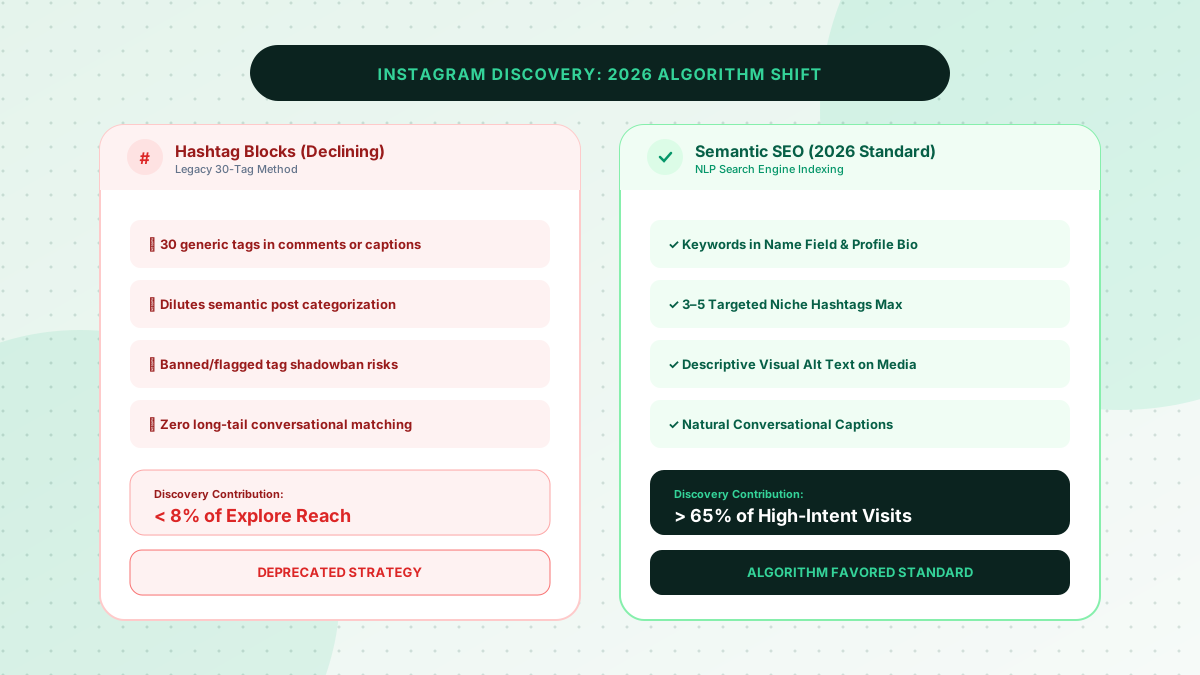
Instagram's engineering and creator leadership have explicitly confirmed that hashtags do not increase a post's distribution across the Explore page or Reels recommendation feeds. Instead, hashtags serve primarily as categorization tags to help the system understand the general topic of a post.
Pasting large blocks of 20 to 30 generic tags (such as #explore, #viral, #love, or #instagood) introduces semantic noise. The algorithm struggles to determine the exact subject matter of your content, leading to poor initial audience matching. Furthermore, using even a single banned or flagged hashtag can suppress the post's recommendation eligibility.
The 4 Core Ranking Signals of Instagram SEO in 2026
When a user executes a search query on Instagram, the search algorithm calculates relevance based on four primary touchpoints:
1. The Name Field Keyword (Highest Profile Authority)
Your Instagram handle (@username) and your Name field are indexed separately. Your Name field (the bold text right below your profile picture) is the single most powerful SEO asset on your profile. Rather than repeating your brand name twice, include your primary niche keywords (e.g., 'Marcus Reed | Fitness & Nutrition Coach'). When users search for 'Fitness Coach', accounts with those terms in their Name field appear at the very top of search suggestions.
2. Natural Language Caption Copy
Instagram's AI reads your entire caption using natural language processing to extract core semantic themes and entities. Write informative, conversational captions (100 to 250 words) that naturally incorporate secondary search phrases. If your post is about social media growth mistakes, use phrases like 'low engagement rate', 'shadowban checks', and 'algorithm optimization' naturally in your sentences.
3. Descriptive Image and Video Alt Text
Alt text is designed for accessibility, but it is also directly read by Instagram's computer vision and indexing bots. In the Advanced Settings menu before posting, write descriptive, keyword-rich alt text detailing exactly what appears in the visual media and what concept it illustrates.
4. The 3-to-5 Focused Hashtag Rule
Hashtags are not dead; they have simply changed roles. Instead of using 30 tags, use 3 to 5 hyper-specific tags that strictly describe the specific topic, format, and community. For example: #InstagramSEO, #ContentStrategy2026, #CreatorMarketing.
Step-by-Step Instagram SEO Optimization Workflow
Follow this repeatable workflow for every piece of content you produce:
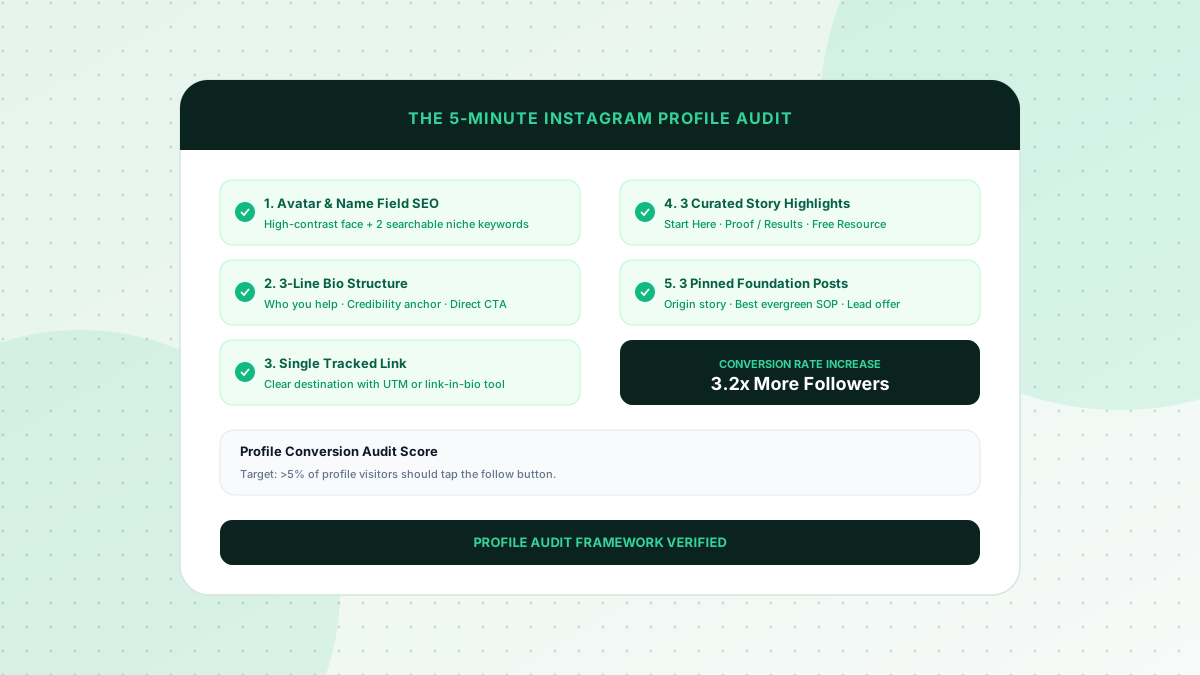
- Audit Your Profile Search Architecture: Check your Name field, Bio text, and Category tag. Ensure your top 3 niche keywords are seamlessly integrated.
- Conduct In-App Query Research: Type your niche topic into Instagram search. Review the top suggested search terms and note the exact phrases ranking in the 'Top' and 'Accounts' tabs.
- Write for Humans, Optimize for the Machine: Structure your captions with clear headings, bulleted takeaways, and natural keyword integration. Never engage in robotic keyword stuffing.
- Populate Advanced Alt Text: Take 30 seconds to write a 1-sentence descriptive summary in the accessibility settings of every post.
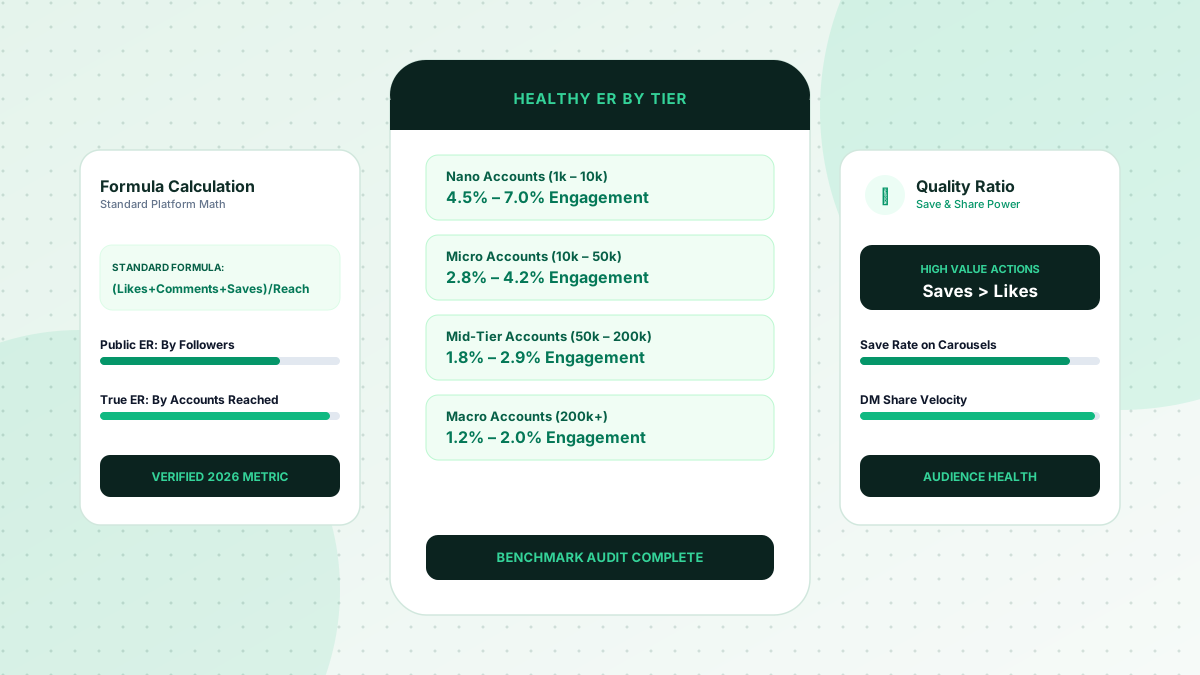
- Track Non-Follower Search Traffic: Review your post Insights to monitor the percentage of reach originating from 'Search' versus 'Home'.
Use a sustainable content strategy, and compare a one-time visibility package only if its scope, price, requirements, and refund terms fit your campaign.