
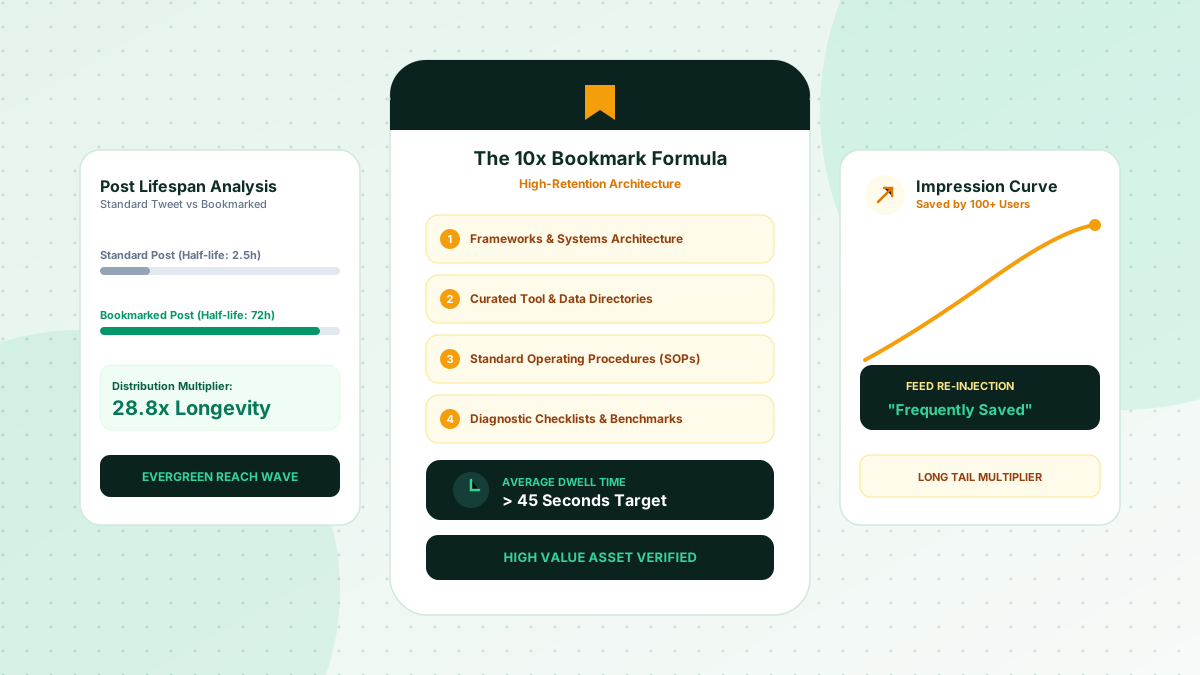
On X, the standard lifespan of a regular tweet is notoriously brief: most posts hit their distribution peak within 90 minutes and disappear from user feeds within 4 to 6 hours. However, an elite tier of content defies this decay curve, continuing to accumulate thousands of impressions, followers, and profile visits for days or even weeks. The secret mechanism behind this compounding longevity is the bookmark signal.
In the 2026 X algorithm, bookmarks represent the ultimate validation of utility. When a reader bookmarks a post, they are declaring that the information is too valuable to consume once and discard. The algorithm interprets this high-friction action as an evergreen quality signal, periodically re-injecting the post into 'For You' feeds. Here is the operational blueprint for engineering high-bookmark content.
Why the Algorithm Prioritizes Bookmarks Over Likes
To understand why bookmarks drive outsized reach, consider user psychology versus platform incentives:
- Private Utility: Unlike likes, which are publicly visible in profile tabs, bookmarks are private. Users bookmark content based entirely on genuine usefulness rather than performative social signaling.
- Dwell Time Correlation: High-bookmark posts almost universally hold reader dwell time for 45 to 90 seconds, satisfying platform retention metrics.
- Algorithmic Re-circulation: The Grok recommendation model tests bookmarked content across secondary audience rings because historical save rates predict high cross-demographic satisfaction.
The 4 Content Formats That Generate Maximum Bookmarks
Through empirical analysis of top-performing educational accounts, four specific structural frameworks consistently achieve bookmark-to-like ratios exceeding 30%:
1. The Curated Tool and Resource Directory
Rather than sharing a single tool, compile an evaluated, categorized breakdown of 5 to 7 specialized resources solving a specific technical or business problem. Format each item with: Name, exact function, pricing tier, and direct link. Readers bookmark these directories because they cannot test all tools in a single session.
2. The Step-by-Step SOP (Standard Operating Procedure)
Document an exact, reproducible workflow from start to finish. Include required prerequisites, chronological action steps, common pitfalls to avoid, and expected output. When readers recognize an actionable roadmap they can execute at work, bookmarking is an instinctive reaction.
3. The Data Benchmark and Industry Ratio Breakdown
Share verified statistical benchmarks, formula ratios, or analytical frameworks (e.g., standard conversion rates by platform, CPM benchmarks by industry, or engagement-to-follower ratios). Decision-makers bookmark these posts to cite in future meetings and strategy documents.
4. The Diagnostic Audit Checklist
Create a structured troubleshooting checklist that helps readers diagnose a problem (e.g., 'Account Shadowban Audit: 7 Items to Check Before Assuming a Penalty'). Bulleted checklists with clear diagnostic questions generate massive reference utility.
Formatting Rules for Maximum Readability and Dwell Time
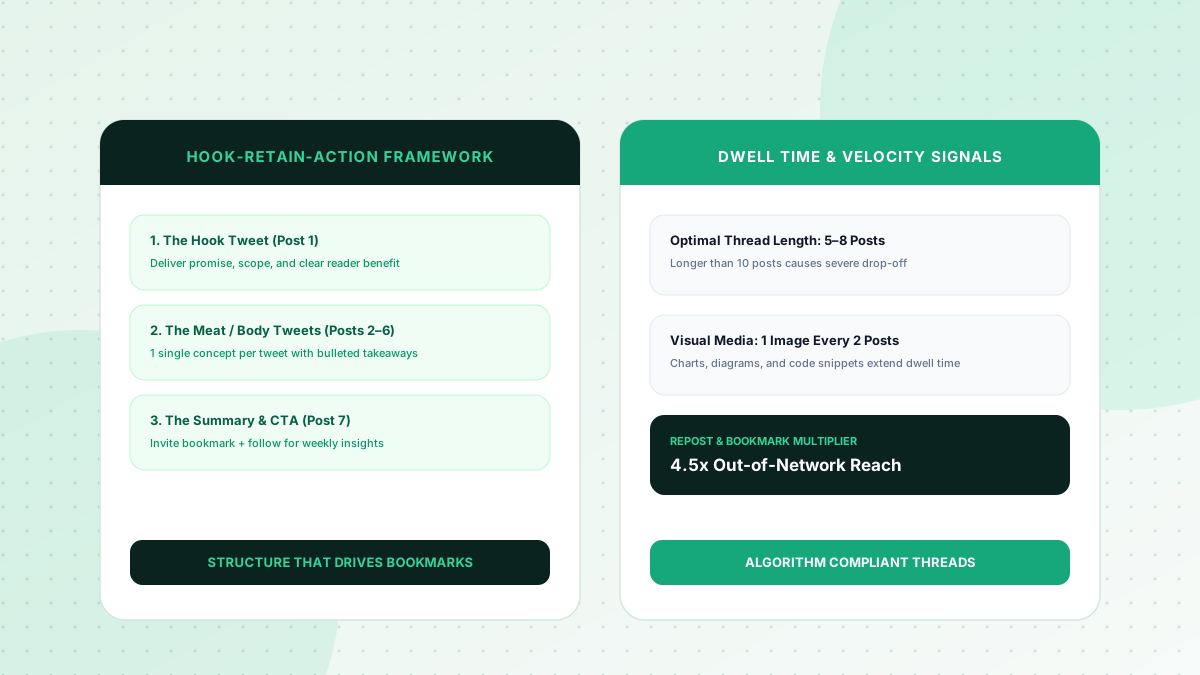
High-value insights fail if they are presented in unreadable walls of text. Follow these visual formatting standards:
- The Hook First Line: State the exact deliverable and the specific audience it helps in under 15 words.
- Generous White Space: Never write paragraphs longer than 2 to 3 lines. Insert clean line breaks between distinct thoughts.
- Categorized Bullet Points: Use clear structural symbols (•, —, 1., 2.) to create visual rhythm that guides the eye naturally down the screen.
- The Explicit Bookmark Callout: Close the post with a natural, value-focused reminder: 'Bookmark this post for your next campaign planning session.'
Measuring Your Bookmark Efficiency
Track your post analytics using the Bookmark-to-Impression Ratio (BIR):
- Standard Content: 0.1% to 0.3% of total impressions result in bookmarks.
- High-Value Educational Content: 0.8% to 1.5% of impressions result in bookmarks.
- Breakthrough Reference Content: > 2.0% of impressions result in bookmarks (consistently triggers extended 72-hour reach waves).
Use a sustainable content strategy, and compare a one-time visibility package only if its scope, price, requirements, and refund terms fit your campaign.