
Threads remain one of the most effective storytelling and educational formats on X. However, the thread landscape has shifted significantly. In previous years, creators could string together 20 generic tips, add a finger-pointing emoji, and generate thousands of retweets. In 2026, the X algorithm actively devalues shallow engagement bait in favor of dense, actionable insights that command high dwell time and bookmark rates.
To consistently achieve broad out-of-network reach, your threads must adhere to a disciplined structural framework. Here is the exact Hook-Retain-Action architecture used by top-performing educational accounts.
The 3-Part Thread Architecture
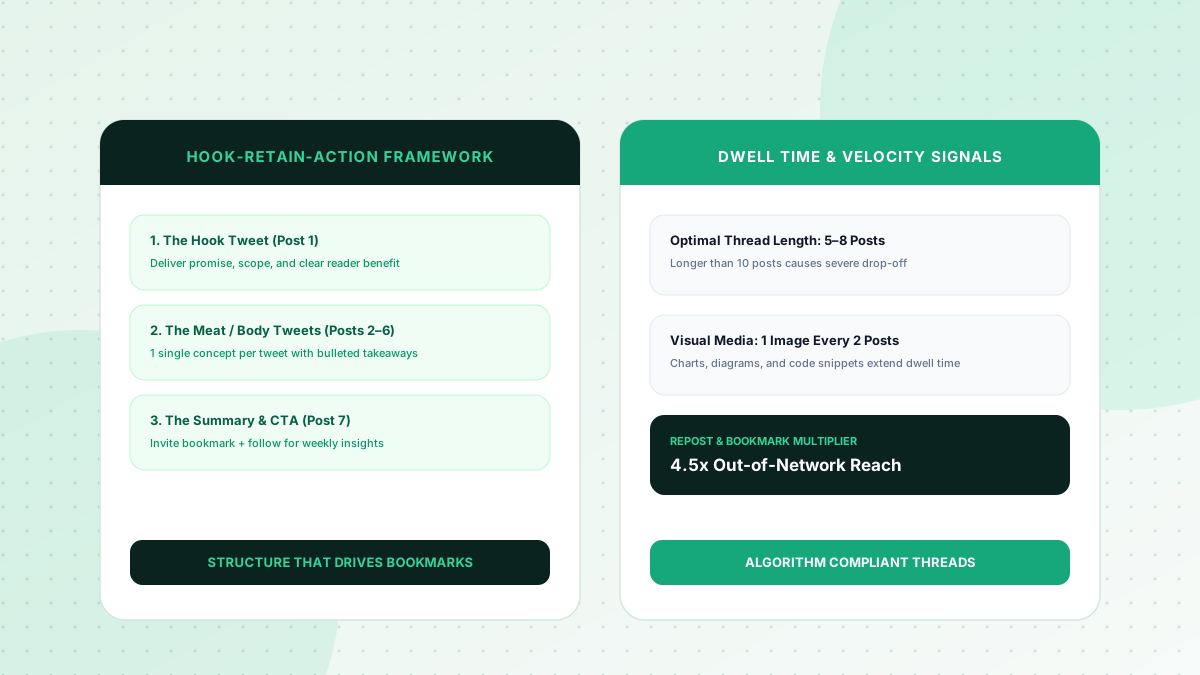
A high-converting thread is structured into three distinct functional zones:
`` [Post 1: The Hook] ──> Deliver clear promise, scope & reader payoff [Posts 2–6: The Meat] ──> 1 atomic insight per post with bulleted takeaways [Post 7: The Close] ──> Actionable summary, bookmark prompt & follow CTA ``
Phase 1: The Hook Tweet (Post 1)
Your opening post is responsible for 80% of the thread's success. If the hook fails to convince the user to click "Show this thread", the subsequent posts will never be read.
The 4 Elements of an Effective Hook
- The Core Topic: Name the exact skill, system, or case study you are dissecting.
- The Credibility Anchor: State why the reader should trust this breakdown (e.g., "After analyzing 50 campaigns...", "Over the past 6 months...").
- The Clear Benefit: Tell the reader what tangible outcome they will gain by reading to the end.
- The Visual Cue: A clean diagram, chart, or data screenshot increases initial dwell time by over 50%.
Phase 2: The Meat / Body Tweets (Posts 2 to 6)
The biggest mistake creators make in the body of a thread is packing multiple unrelated ideas into a single tweet. Follow the rule of atomic clarity:
- One Concept Per Post: Dedicate each tweet in the sequence to a single step, tool, or principle.
- Use Generous White Space: Limit sentences to 1 or 2 lines. Break thoughts into clean, scannable bullet points.
- Avoid Vague Generalities: Never write "Focus on quality." Instead, define exact metrics: "Maintain an engagement-to-follower ratio between 2.5% and 4.0%."
- Incorporate Visual Media Every 2 Posts: Alternating between text and annotated screenshots keeps reader momentum high and prevents fatigue.
Phase 3: The Closing Action Post (Final Tweet)
The final post in your thread converts reading attention into lasting platform actions:
- Synthesize Key Takeaways: Provide a 3-bullet recap summarizing the core workflow.
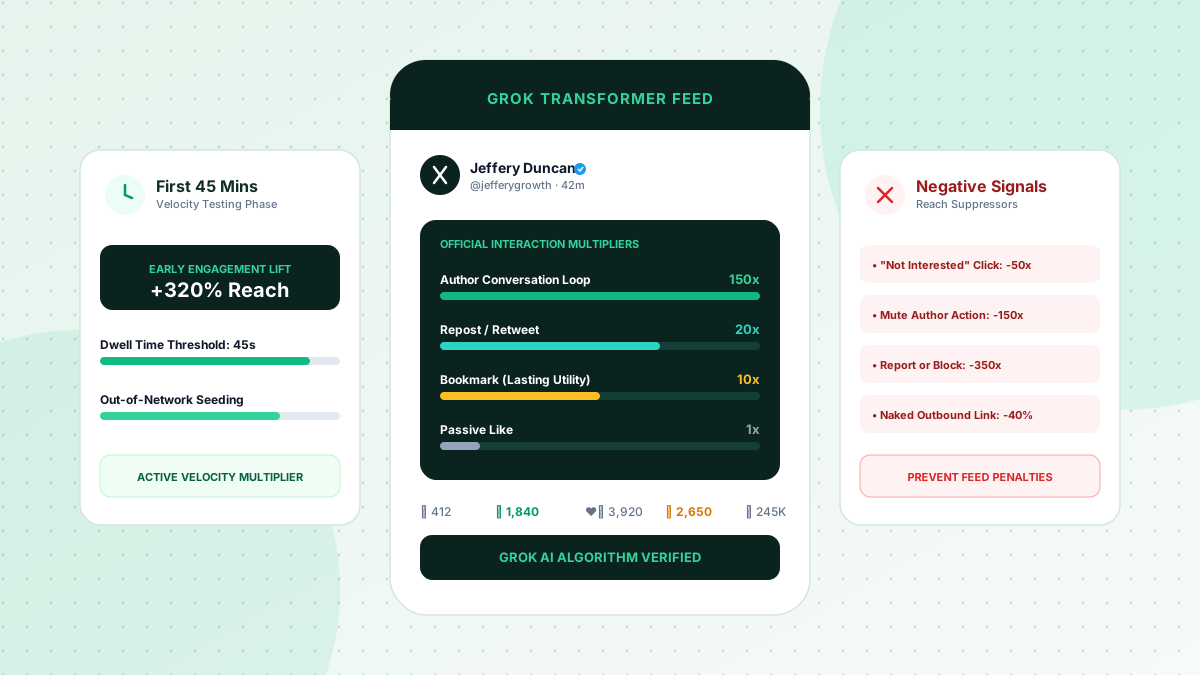
- The Explicit Bookmark Prompt: Remind readers to save the post: "Bookmark this thread so you can reference these benchmarks during your next launch." (Bookmarks are weighted 10x higher than likes in the 2026 algorithm).
- The Follow CTA: State what specific value you deliver on a weekly basis: "If you found this analysis useful, follow @yourhandle for weekly breakdowns on creator growth."
3 Critical Thread Mistakes to Avoid
- Creating 15+ Post Monologues: Thread completion drops sharply past post 8. Keep your threads tightly edited between 5 and 7 posts.
- Placing External Links in Post 1: External URLs in the opening tweet reduce distribution. Place all external resource links in the final post or reply.
- Ignoring the First 45 Minutes: Actively engage with early replies during the first 45 minutes to accelerate velocity scoring in the recommendation engine.
Adopting this systematic structure transforms standard social posts into enduring reference assets.
Use a sustainable content strategy, and compare a one-time visibility package only if its scope, price, requirements, and refund terms fit your campaign.