
The recommendation architecture powering X (formerly Twitter) has evolved dramatically following open-source code releases and the integration of Grok-driven transformer models. The platform has officially transitioned away from simple heuristics and static interaction counters. Today, the 'For You' timeline is governed by deep neural sequence predictions that evaluate conversational depth, reading dwell time, and lasting reference utility.
Understanding these algorithmic mechanics is critical for founders, creators, researchers, and brands seeking organic distribution on X. By analyzing the platform's public algorithmic documentation and observed distribution patterns, we can break down the exact mathematical hierarchy of interaction signals and learn how to optimize every post for maximum reach.
The Grok-Powered Neural Pipeline: How Posts Are Scored
The X recommendation pipeline processes hundreds of millions of daily candidate posts through three distinct filtering stages:
- Candidate Sourcing (In-Network vs. Out-of-Network): The algorithm retrieves approximately 50% of candidate posts from accounts the user follows (in-network) and 50% from accounts they do not follow (out-of-network). Out-of-network posts must clear strict quality and velocity thresholds.
- Heavy Ranker Scoring: A neural network transformer evaluates predicted user actions based on historical interactions, topic clusters, and content structure, assigning each post a comprehensive composite score.
- Heuristic & Diversity Filtering: The final feed applies deduplication, filters out negative signals (muted words, blocked authors), and enforces content diversity so users don't see multiple consecutive posts from the same creator.
The Interaction Multiplier Hierarchy: What Carries Weight
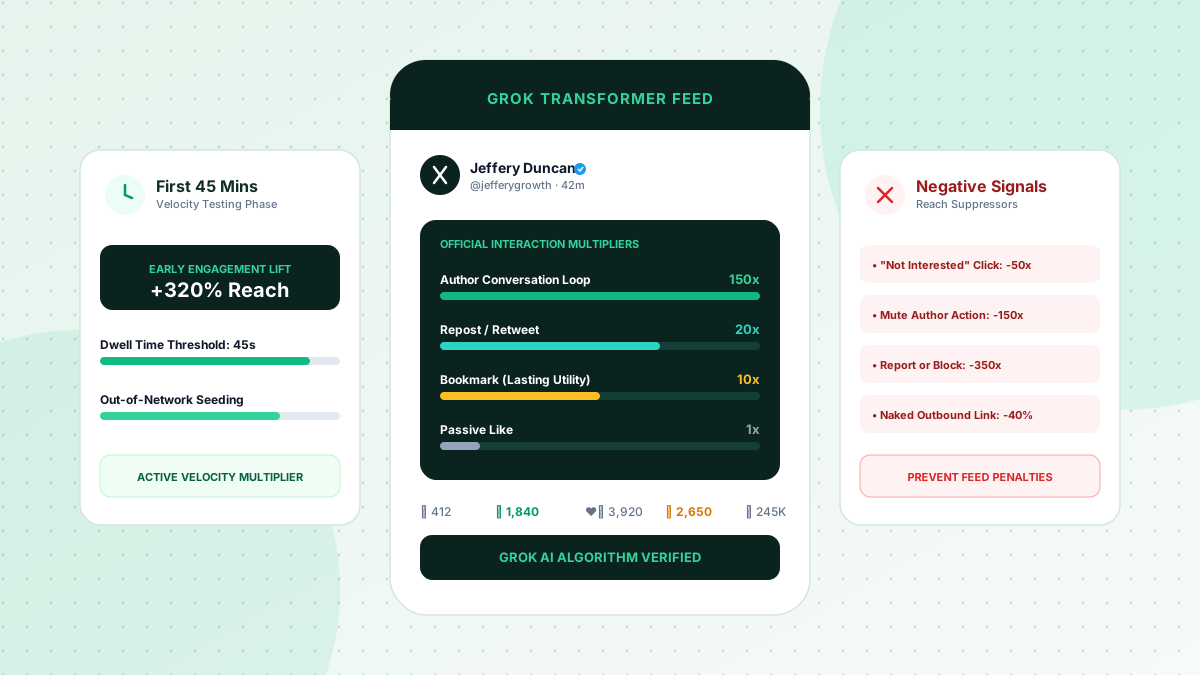
In the 2026 ranking model, not all interactions are created equal. Empirical code reviews and developer disclosures reveal a distinct multiplier hierarchy:
1. Author Reply Loops (Estimated ~150x Relative Value)
Meaningful conversation is the single highest-weighted signal on X. When a user replies to your post and you reply back to continue the discussion, the algorithm interprets this as a high-value community interaction. This author-to-user conversation loop carries up to 150 times the algorithmic weight of a passive like.
2. Reposts and Retweets (Estimated ~20x Relative Value)
A repost directly endorses the content to the user's entire follower graph. Because reposting carries significant reputational commitment, it is heavily rewarded by the ranking model, multiplying out-of-network distribution.
3. Bookmarks (Estimated ~10x Relative Value)
Bookmarks are the primary indicator of 'lasting value'. When users save a post to read later or reference in the future, the algorithm elevates the post into evergreen recommendation feeds. Posts with high bookmark-to-impression ratios enjoy extended distribution lifespans of 48 to 72 hours.
4. Dwell Time (Pause Velocity)
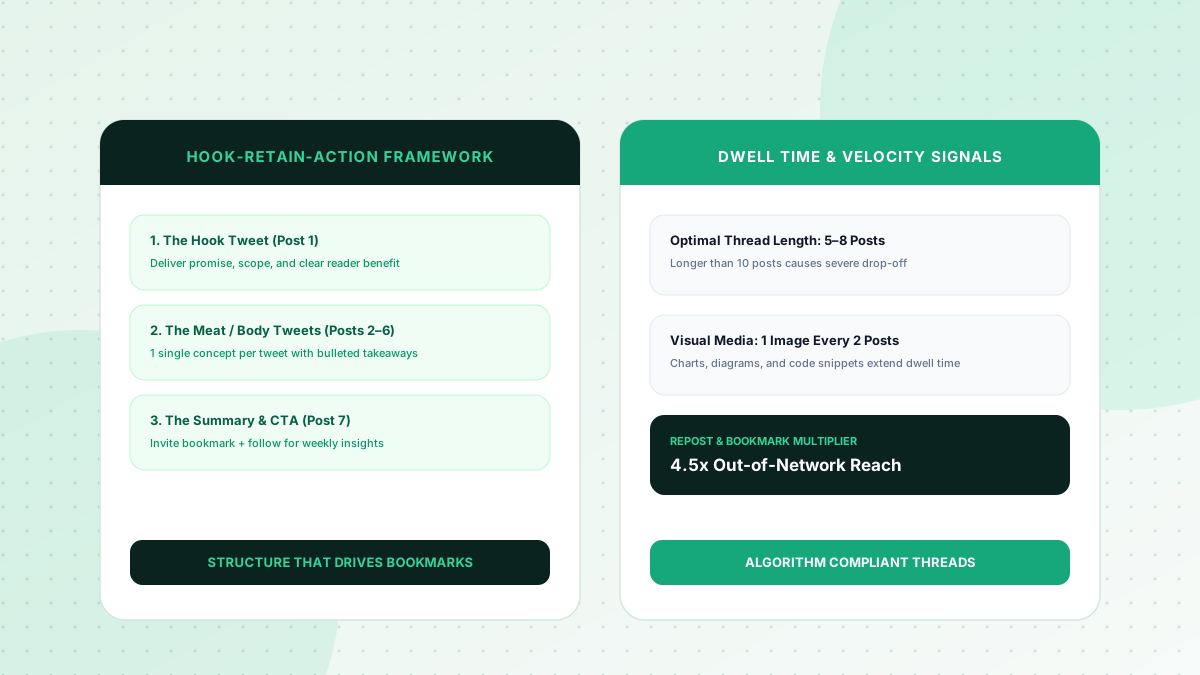
The algorithm measures how many seconds a user spends viewing a post on their screen. Long-form posts, detailed charts, and structured breakdowns that hold reader attention for 30 seconds or longer receive a substantial reach multiplier over short, quickly-scrolled text.
5. Likes (Baseline 1x Multiplier)
While likes provide initial feedback, they represent the lowest-weighted positive action. A post with 500 likes but zero replies or bookmarks will rapidly plateau, while a post with 50 bookmarks and 30 active reply threads will continue to expand.
Negative Signals That Instantly Suppress Reach
Just as positive interactions multiply reach, negative actions apply severe penalty penalties:
- 'Not Interested' Clicks (-50x Penalty): When a user taps 'Not interested in this post', the algorithm downgrades similar content across that topic cluster.
- Mutes and Blocks (-150x to -350x Penalty): Being muted or blocked by users who see your content in the 'For You' feed is the fastest path to feed suppression.
- External Links in the Main Post: Standalone posts containing external URLs often receive reduced initial distribution as the platform seeks to keep users inside the app. Best practice: Place external links in a reply or format the main post as a self-contained breakdown.
The 45-Minute Early Velocity Window
The first 30 to 45 minutes following publication represent the critical testing window. If your post generates prompt replies, bookmarks, and reposts during this period, the recommendation engine classifies it as high-momentum content, pushing it into the feeds of users who share topical interests with your initial responders.
Use a sustainable content strategy, and compare a one-time visibility package only if its scope, price, requirements, and refund terms fit your campaign.